
Entertainment
Emma Raducanu Wuhan Exit: A Struggle with Heat, Health—and Hope for Revival

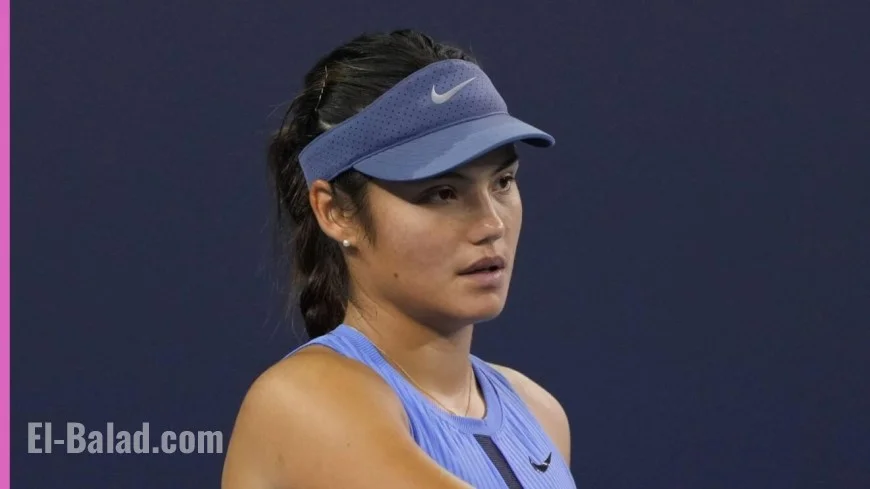
Emma Raducanu’s season in Asia hit a disheartening low at the Wuhan Open on 7 October 2025. In only her first match, the British star was forced to retire mid-contest, citing dizziness and medical distress. The dramatic exit was a stark reminder that beyond tennis skills, physical endurance and environmental factors can make or break a match. And for Raducanu, currently ranked world No. 30, the stakes are higher than ever—not only for her immediate tournament hopes but for her positioning heading into the 2026 season.
A Battle Lost in the Heat
From the outset, Raducanu showed promise. She broke Ann Li’s serve in the match’s opening game, but quickly faltered. Over the remainder of the first set she mustered only 7 points, losing momentum as errors piled up. By the time she trailed 6-1, 4-1, she requested a medical timeout. On court, a doctor examined her blood pressure, pulse, temperature, and pupils. What followed was a withdrawal she couldn’t avoid, as she conceded the match citing dizziness.
The conditions on court were punishing. Temperatures hovered near 34–35 °C, humidity dampened every breath, and organizers had already suspended outdoor play earlier in the week. Raducanu, like many before her in this Asian swing, simply could not adapt on that day.
A Season Already Fractured
Wuhan wasn’t the only disappointment in Raducanu’s Asian tour. In Seoul, she held three match points against Barbora Krejcikova but failed to close; later in Beijing, she again reached three match points vs Jessica Pegula before succumbing. These near-misses have compounded pressure on her to find consistency.
Tournament Opponent Situation Result
Seoul Barbora Krejcikova Held 3 match points Lost
Beijing Jessica Pegula Held 3 match points Lost
Wuhan Ann Li Trailing 6-1, 4-1, medical timeout Retired
Each of these matches showed she could reach critical junctures—but struggled to cross the finish line under stress.
Her rank at No. 30 is meaningful: being in the top 32 is one of the thresholds that can grant a seeded position in a Grand Slam draw. Her loss in Wuhan could imperil her chances of being seeded at the 2026 Australian Open, especially if she cannot string together strong performances leading into January.
Coaching Changes and the Search for Stability
2025 brought more than physical and match challenges—it also brought upheaval in her support team. In January, Raducanu parted ways with long-time coach Nick Cavaday, citing health issues on his part. The split left her searching for both technical and mental steadiness.
Her new hire, Francisco Roig—a seasoned coach who once mentored Rafael Nadal—signals an ambitious move. With Roig, Raducanu gains experience and a fresh perspective; now the test becomes aligning the partnership on strategy, technique, and resilience.
Adding to the complexity, the conversation around heat policies in tennis is mounting. Her retirement under harsh conditions has only fueled calls for more formal rules to protect players in punishing environments.
What’s Next on the Horizon
Raducanu still has a window to reverse this downward spiral. In the coming weeks, she may participate in tournaments in Ningbo, Guangzhou, and Hong Kong. Strong results there could strengthen her case for a seed at the Australian Open.
Meanwhile, the physical, mental, and tactical adjustments with Roig are under scrutiny. If she can maintain health, manage match pressure, and reclaim momentum, the season could yet salvage its trajectory.
For now, the painful withdrawal in Wuhan is a wake-up call: even elite talent must contend with the elements—and health is often the ultimate opponent.
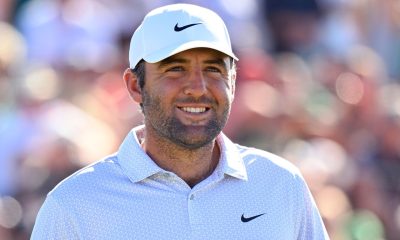

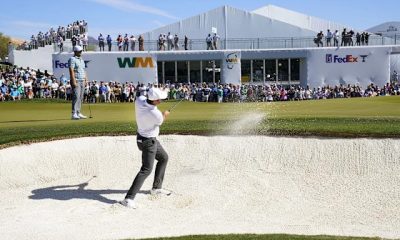


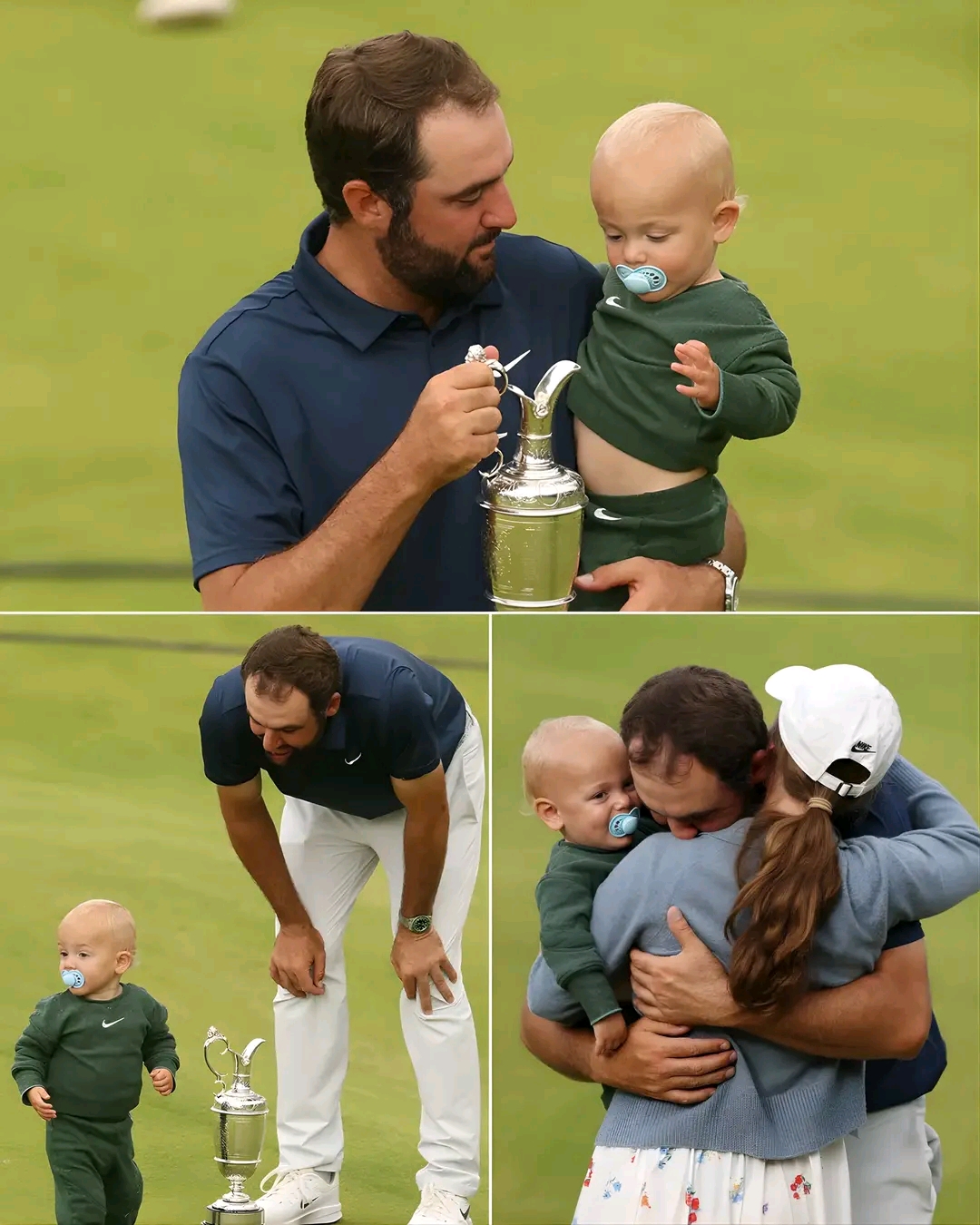
Scottie Scheffler’s son Bennett steals the show at WM Phoenix Open
At TPC Scottsdale ahead of the 2026 WM Phoenix Open, the biggest cheers weren’t reserved for World No. 1 Scottie Scheffler or his pro-am partners Travis Kelce and Brooks Koepka—they were for his toddler son, Bennett Scheffler.The nearly 20-month-old, born in May 2024, turned heads during Wednesday’s practice round and pro-am festivities. Armed with a blue plastic club, Bennett took swings on the fairway while Scheffler’s caddie Ted Scott knelt beside him, dramatically tossing grass to check the wind and delivering a mock “yardage.” After a miss and a determined second swing, Bennett made solid contact, prompting an eruption from the crowd as if a pro had holed out from 40 feet Videos of the wholesome moment quickly went viral, with clips amassing tens of thousands of views on social media. One observer noted, “Not Ted Scott giving Bennett a yardage and him proceeding to hit the ball—learning from dad well.” Bennett also joined his father at the pre-tournament press conference, sitting nearby as Scheffler discussed his focus amid the rowdy Phoenix atmosphere While Scheffler, a two-time champion here (2022, 2023), prepares to chase a third title starting Thursday, the early storyline belongs to his mini-me. Fans are already joking about Bennett’s future as the 2045 Masters winner. In golf’s most party-like venue, family charm stole the spotlight.
Entertainment
Lindsey Vonn is trying to achieve the seemingly impossible: Win gold with a ruptured ACL
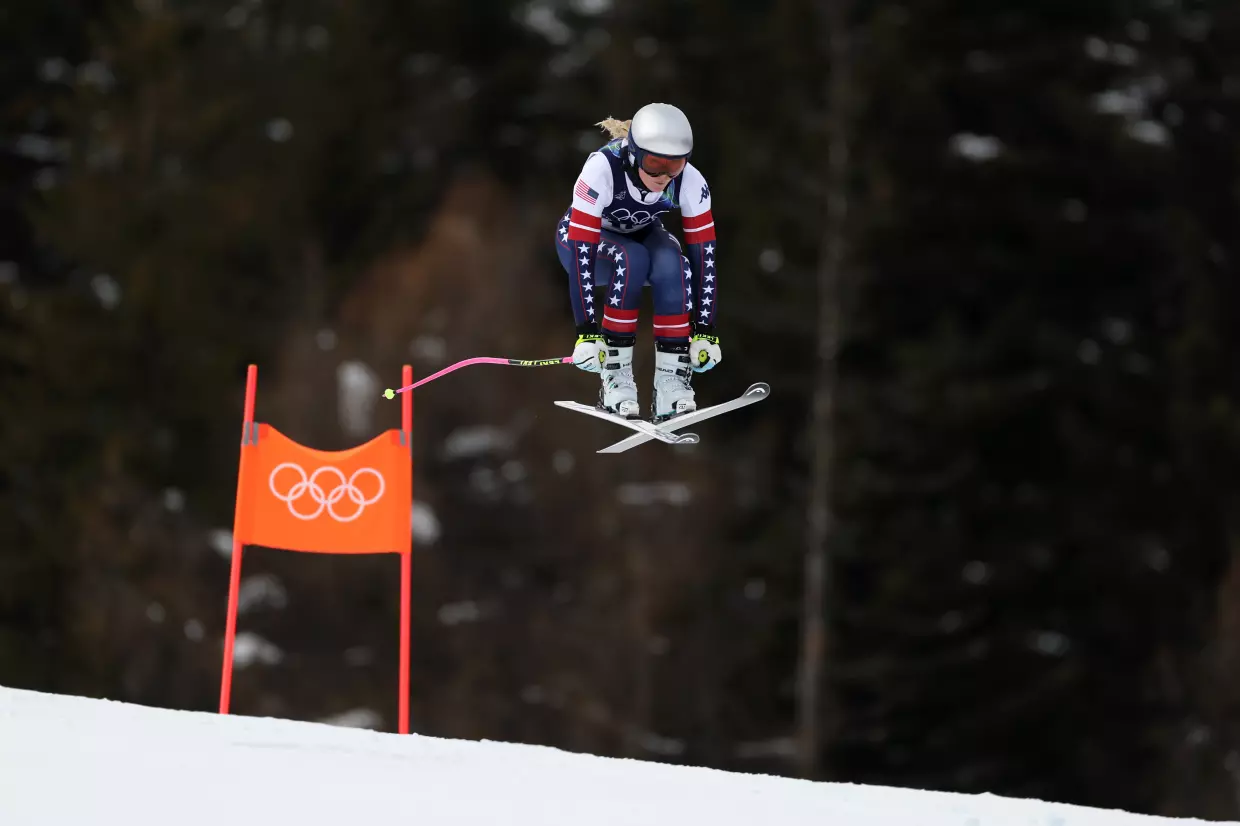
Lindsey Vonn’s mental coach didn’t need to be at her side after her most recent crash. All the way from Sacramento, and watching the race on TV, he knew what her disposition would be.
“I knew the minute she crashed that she would race [in the Olympics] if there was any opportunity to race,” said Armando Gonzalez, who has worked closely with the ski-racing legend since 2020.
On Friday, a week after that World Cup accident, she completed her first downhill training run. On a day when fog delayed competition at the Tofane Alpine Skiing Centre in Cortina, Vonn completed the course in 1 minute, 40.33 seconds, putting her in ninth place through 15 competitors and less than a second off the leader.
She wore a brace to protect her injured left knee. The ACL acts as a stabilizer in the knee, preventing it from buckling and keeping the tibia from moving too far forward. It’s essential to rotational stability, which plays a role in sudden movements and jumping. Downhill ski racers are not running backs or point guards, however, and don’t make those same jolting lateral moves and therefore, experts say, are better able to compensate for a torn ACL.
Still, Vonn has a remarkably high pain threshold.
“Her ability to overcome injury, to push through, her mental attitude, her resilience, it’s amazing,” said Shawna Niles, her massage therapist.
At an Olympics news conference this week, Vonn said her knee felt stable, not swollen, and that she will be ready to compete Sunday in the women’s downhill. She has been in intensive therapy this week, posting videos of her squatting, jumping and moving laterally in a knee brace.
Even some fellow Olympians are astonished.
“She appears to be quite superhuman at times, and she is that right now,” said Brazilian ski racer Lucas Pinheiro Braathen, who said Vonn “has been an inspiration for me ever since I was introduced to skiing.”
In an interview with The Times, Gonzalez said the latest comeback “isn’t about proving anything to anyone.”
Gonzalez and Niles were made available to The Times by FIGS, the official scrubwear of the USA medical team at the Olympics.
“It’s about defying the odds,” Gonzalez said of Vonn, “and being the competitor who always finds a way.”
Vonn, a three-time Olympic medalist, is attempting an astounding comeback after almost six years removed from racing and a partial titanium knee replacement in 2024. She had 84 World Cup wins in 21 seasons, making her among the most decorated ski racers in history.
“Unfortunately, in my career, I’ve had a lot of challenges,” she told reporters. “I have always pushed the limits and in downhill, it’s a very dangerous sport, and anything can happen. And because I push the limits, I crash and I’ve been injured more times than I would like to admit, to myself even.
“But those are the cards I’ve been dealt in my life, and I’m going to play my cards the best way I can.”
Despite the injury that would sideline even elite athletes, Vonn called this Olympic opportunity “icing on the cake” of her storied career.
“I never expected to be here,” she said. “I felt like this was an amazing opportunity to close out my career in a way that I wanted to. It hasn’t gone exactly the way I wanted it to, but I don’t have any regrets.
“I’m still here. I think I’m still able to fight. I think I’m still able to try.”
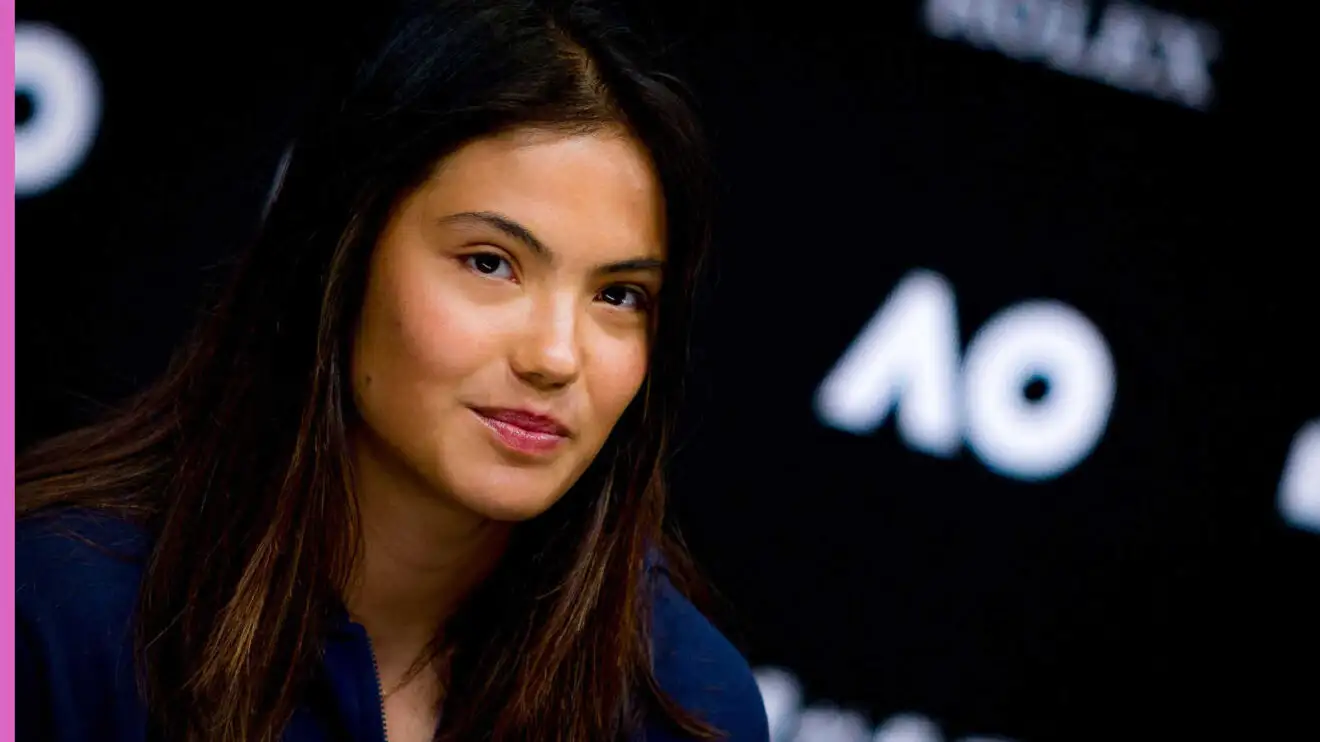
Emma Raducanu has shared her thoughts after coming through a “proper battle” at the Transylvania Open to reach her second final at WTA Tour level.
The world No 30 fought her way to a 7-5, 3-6, 6-3 victory against 91st-ranked Ukrainian qualifier Oleksandra Oliynykova in a semi-final lasting two hours and 48 minutes.
Raducanu, whose father Ion is Romanian, was roared on by the crowd in Cluj as she recovered from being a break down at 1-2 in the deciding set.
The 23-year-old Brit will face Romania’s Sorana Cirstea, the world No 36, in the final at the WTA 250 tournament as she chases her second career title.
Here is everything Raducanu said in her post-match press conference.
Q. Your thoughts on this amazing win?
Raducanu: Yeah, I mean, what a match, it was a proper battle. Such a tricky opponent, just made so many balls, played in a way that isn’t very common, and you don’t face that very much. It’s such a challenge to play, especially as the balls get older and it gets a bit slower, it gets harder to put the ball away. And yeah, she’s incredibly crafty and what an athlete and competitor, so I’m really, really happy to have come through that.
Q. What do you think about the crowd that supported you so loud… did they help you win this match?
Raducanu: Yeah, I’d really say that, and I mean it because when I’m a break down in the third set, it’s very easy I guess if there was no one in the crowd and a dead atmosphere… you know, you don’t know how you’re gonna fight compared to when the whole stadium is kind of willing you on to fight for every point and that’s what I did really well in that moment. No matter how I was feeling, no matter how uncomfortable I was, I really just gave my best for every point so I could leave the court with no regrets. And I think the crowd helped me so much to do that and it was such a nice atmosphere. And I’ve said it all week, they’ve really helped through tough moments and it’s really felt like I’ve been playing at home.
Raducanu: Yeah, I mean, I think the key moment was… There were two. I think it was 3-1 in the second set where I was in control, and I played a bit of a sloppy game to return and she held. But if I’m 4-1 up there, you don’t know how the match is gonna go. And then the next one, I think, turning point, I mean for sure, the 2-1 game when I’d just been broken, I just felt like all the momentum was going her way. I think I lost eight points in a row and I just felt like I couldn’t put the ball anywhere because she was there and she was going to hit a winner or she was going to hit something that I didn’t know what to do with. So that was a really big break at 2-1, and it gave me a little bit of hope. And then I managed to hold serve and get new balls, and I really think the new balls helped in the third set because shots that she was making with the old fluffy ones, they were just a bit late and she was missing, and it was travelling a bit too far, so that helped as well.
Q. How much resilience did it take to win today?
Raducanu: I mean, today took, like, all my supply of resilience. I think for a while I need to recharge that tank. It was such a difficult match, I have to say mentally, emotionally, you’re facing something. It looks… the whole stadium’s probably watching it like and can’t believe what’s happening, and I’m the same, but you have to face what’s in front of you, and it’s so difficult to deal with, I think. Sometimes more difficult than if someone’s hitting the ball fast, and especially when it’s relentless every single time . It just doesn’t really happen on the tour. So for me to have overcome that, it took a lot of patience, it took a lot of mental strength, and really pleased.
Q. You took a medical timeout at the end of the first set… what was the problem and how are you feeling now?
Raducanu: Yeah, I mean, now, yeah, I feel pretty tired. Obviously, I played like three hours and really, really tough physical match, moved so much, but I think it’s, when you’re playing four matches in a row it’s not something that I’ve done much, but to be feeling your body, to be feeling the pain, I guess, of the sweet rewards of being in the final, I think it makes it worth it. It’s just a bit of wear and tear from playing back-to-back matches. So I’ll take it.

Scottie Scheffler’s son Bennett steals the show at WM Phoenix Open

Lindsey Vonn is trying to achieve the seemingly impossible: Win gold with a ruptured ACL

Everything Emma Raducanu said after reaching final at Transylvania Open

Lindsey Vonn Turns Heads in Vibrant Red Swimwear During Tropical Getaway

Freakin’ Hot Ski Racer Lindsey Vonn Holds Second-Highest Super-G World Cup Wins

Emma Raducanu Living a Luxury Life: A Rising Star’s Glimpse into the Glamorous World
-
 Entertainment3 months ago
Lindsey Vonn Turns Heads in Vibrant Red Swimwear During Tropical Getaway
-
 Entertainment1 year ago
Freakin’ Hot Ski Racer Lindsey Vonn Holds Second-Highest Super-G World Cup Wins
-
 Entertainment1 year ago
Emma Raducanu Living a Luxury Life: A Rising Star’s Glimpse into the Glamorous World
-

 Entertainment12 months ago
Bra-less Charley Hull turns head by showing off bright red body …’
-
 Entertainment1 year ago
Lexi Thompson Flaunts Her Athletic Physique on the Cover of Golf Magazine
-

 Entertainment11 months ago
Charley Hull Sizzles in Style: The Golf Queen Turning Heads On and Off the Course
-

 Entertainment12 months ago
Paige Spiranac posts 15 private photos: Everyone is talking about
-

 Entertainment1 year ago
Charley Hull Hits the Beach After a Long Day of Golfing